
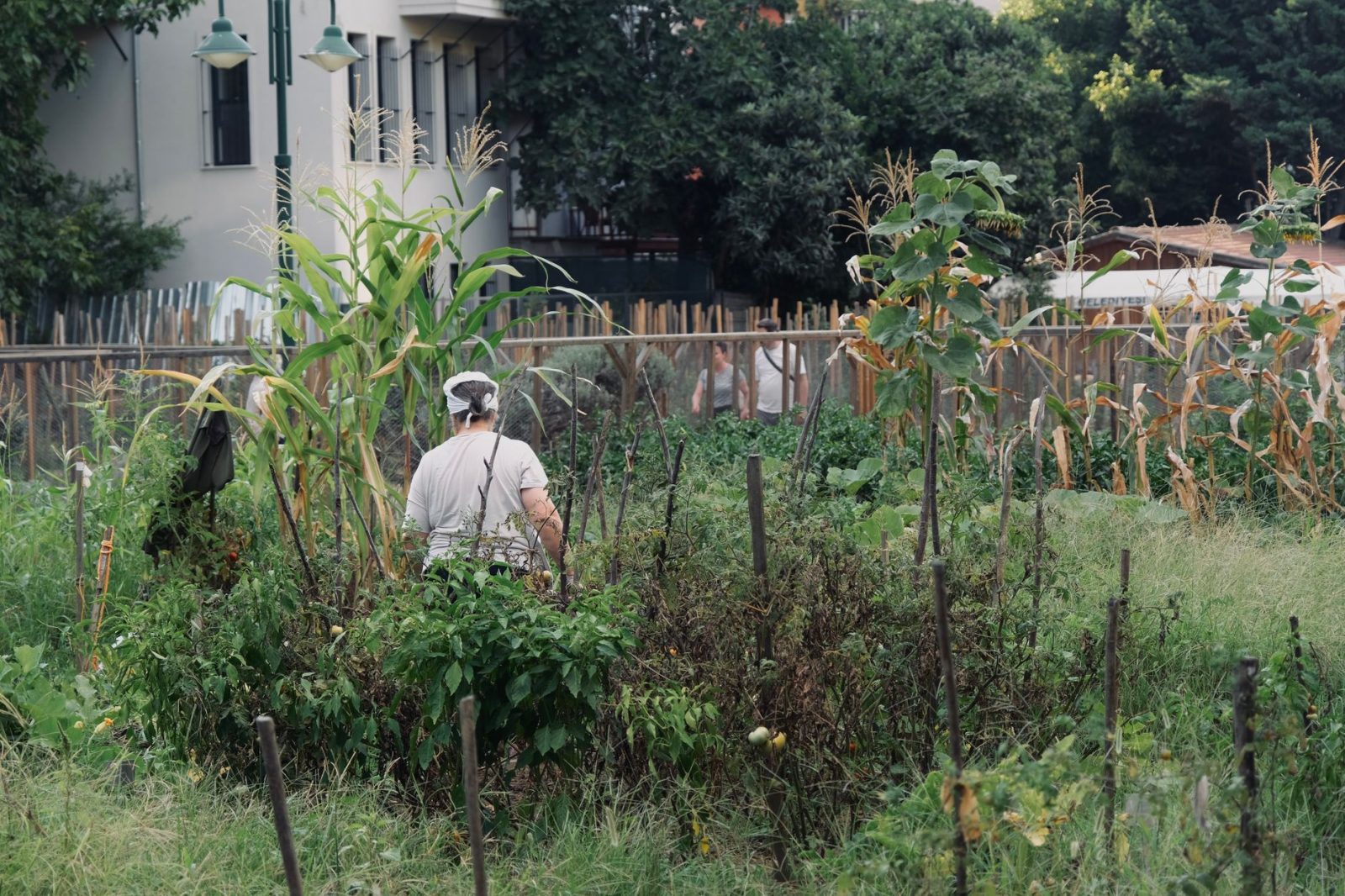
Some of the most durable nonprofits don’t start with a grand strategy or a boardroom. They start with a mess — an eyesore of a lot, a problem no one else wants to touch — and one person who decides to do something about it. Harlem Grown, the New York organization that has turned abandoned city land into urban farms where children learn to grow their own food, is one of those stories. And according to recent reporting, its founder and chief executive has reached a milestone few grassroots builders ever experience: a meeting with King Charles.
From a vacant lot to a working farm
Harlem Grown’s premise is simple enough to explain to a child, which is part of the point. Take land that has fallen into neglect, clean it up, and turn it into a place where young people can plant seeds, tend them, and eat what they grow. Along the way, the lessons stack up — nutrition, patience, responsibility, science, the quiet confidence that comes from making something living thrive under your care.
As Spectrum News NY1 reported, the organization’s founder and CEO recently spoke about the impact of meeting King Charles, a moment that put an international spotlight on work rooted firmly in one neighborhood. The details of that encounter remain limited in the available coverage, but the symbolism is hard to miss: a community initiative born on New York streets drawing attention from one of the world’s most recognizable advocates for sustainable agriculture and the environment.
Why grassroots founders matter
Harlem Grown belongs to a broader movement of people who build mission-driven organizations from the ground up, often without the safety nets that larger institutions enjoy. The sector is crowded with examples. Industry observers like Causeartist have spent years cataloging nonprofit founders making a measurable difference across the globe, and the common thread is rarely money or pedigree. It’s persistence — the willingness to keep showing up for a cause long after the initial excitement fades.
That staying power is tested constantly. According to United Way Worldwide, nonprofits have recently faced what it described as a double crunch, with a government shutdown compounding severe funding cuts. For organizations that depend on grants, donations, and public partnerships to keep their doors open, the margin for error is thin. Urban farming programs in particular carry real overhead: land access, seeds, tools, staff, and the simple fact that growing food takes time and seasons can’t be rushed.
The quiet power of place
What makes a project like Harlem Grown resonate is its visibility. You can walk past it. You can smell the soil. For children in a dense city, the experience of watching a tomato ripen on a vine they planted is not abstract — it’s a direct rebuttal to the idea that fresh food comes only from a store shelf, or that a neglected block can’t become something better.
That ethos places Harlem Grown in good company with other city-based community builders who insist that dignity and opportunity can be cultivated block by block. It echoes the work of advocates profiled in our own coverage, such as Shirley Raines, the Skid Row advocate who led with dignity, and the young people featured in our story about teen athletes who turned game days into a mission. Different causes, same instinct: meet people where they are, and treat the overlooked as worth your best effort.
A field full of founders
The appetite for this kind of grassroots leadership is clearly widening, and it’s coming from every age group. In Pasadena, Local News Pasadena recently profiled a 16-year-old nonprofit founder, a reminder that you don’t need decades of experience to start solving a problem you care about. At the other end of the spectrum, Forbes continues to spotlight impact-driven leaders over 50, underscoring that meaningful founding work happens at every stage of life.
Universities are feeding the pipeline too. The University of South Florida recently highlighted an alumna teaming up with a nonprofit founder on a global initiative aimed at empowering girls — another signal that the next generation of civic entrepreneurs is being actively nurtured rather than left to figure it out alone.
Even established organizations are wrestling with what it means to be founder-led. WIRED reported that technologist Tristan Harris’s nonprofit is laying off most of its staff to return to a founder-led model — a very different situation from a scrappy community farm, but one that raises the same underlying question that the Stanford Social Innovation Review has explored: what happens when moving a mission forward means altering the founder’s original course? Growth, succession, and the gap between a founder’s vision and an institution’s needs are challenges that follow nearly every successful nonprofit.
What the recognition really signals
For Harlem Grown, a royal meeting is not the mission — it’s a byproduct of the mission done well over time. Recognition of that scale tends to arrive only after years of unglamorous work: hauling soil, recruiting volunteers, keeping kids engaged through hot summers and cold fundraising seasons. The available reporting doesn’t spell out every milestone behind the organization’s growth, and it would be a disservice to invent those details. What is clear is that a project that began with reclaiming neglected urban land has earned a seat at a conversation that spans continents.
That’s the part worth holding onto. The headline is a king. The substance is a child in Harlem, hands in the dirt, learning that growth is possible — in a plant, in a neighborhood, and in themselves. The founder who built that, according to reports, now carries a story that proves local work and global attention are not opposites. Sometimes the smallest plot of ground is exactly where the biggest change takes root.

