
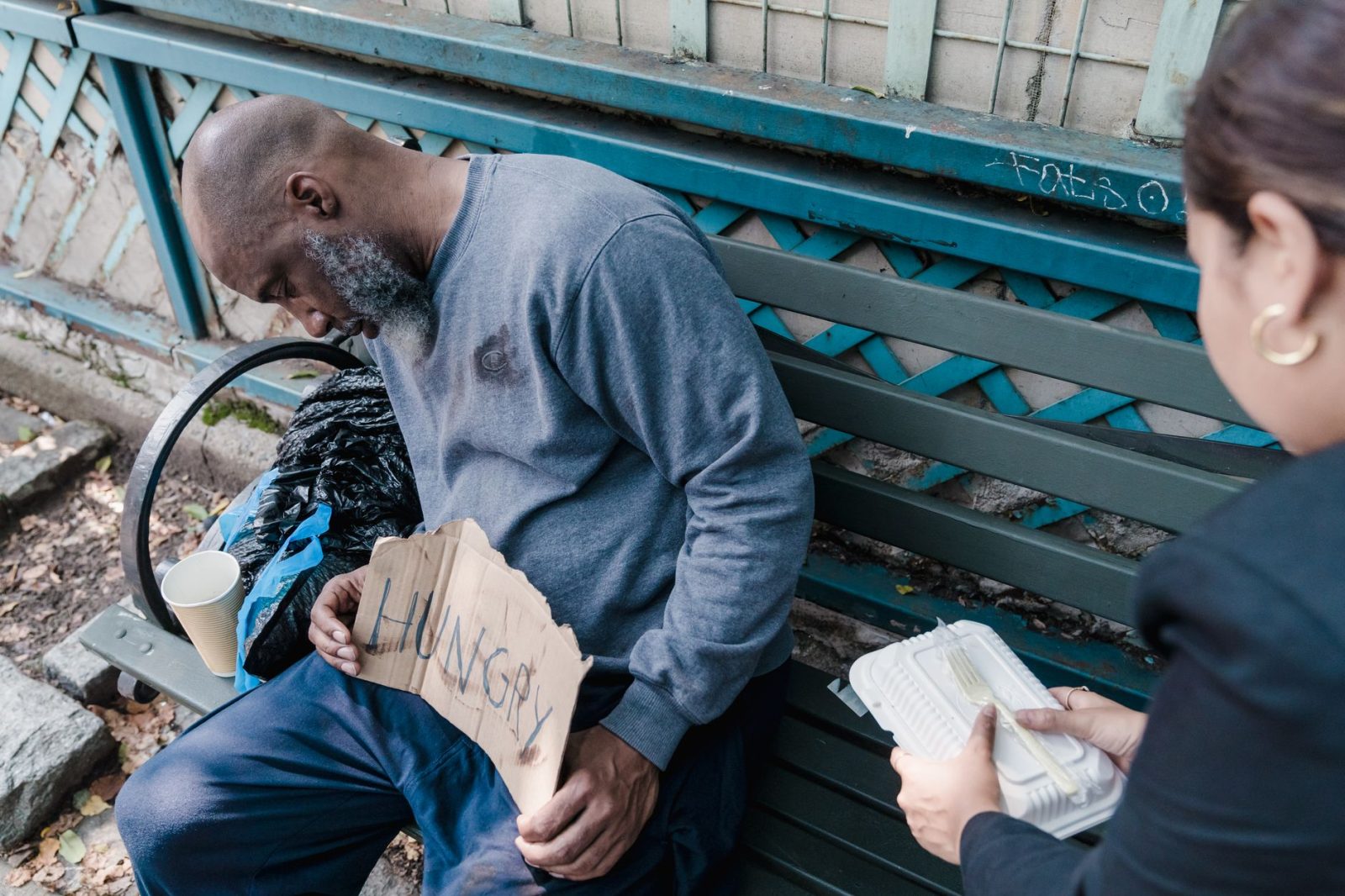
Most charitable work on Los Angeles’ Skid Row is measured in the essentials: meals served, beds filled, blankets handed out. Shirley Raines measured something harder to count. She measured dignity — the look on someone’s face when they saw themselves in a mirror after a haircut, a fresh set of clothes, or a little color on their cheeks.
Raines, the homeless advocate and nonprofit founder who became one of the most recognizable figures on Skid Row, has died at 58, according to the Los Angeles Times. Her death has prompted an outpouring of tributes to a woman who spent years insisting that the people everyone else walked past were worth stopping for.
A different idea of what help looks like
What set Raines apart was never just the practical aid, though there was plenty of that. It was the premise underneath it. On a stretch of downtown Los Angeles that has become shorthand for America’s homelessness crisis, she treated beauty and self-respect not as luxuries but as basic human needs.
Hair washed and styled. Makeup offered to anyone who wanted it. Clothing laid out like a boutique rather than a bin of castoffs. The gestures were small on paper and enormous in practice, because they carried a message that people living on the street rarely hear: you still matter, and you are still you.
That approach turned a volunteer effort into something larger. As outlets have reported, Raines founded a nonprofit to carry the work forward, building a presence on Skid Row that drew attention well beyond Los Angeles and made her a familiar, trusted face in a community wary of outsiders who come and go.
Grit rooted in personal experience
Raines did not arrive on Skid Row as a detached benefactor. According to reporting on her life, her commitment was shaped by her own hardships — the kind of lived experience that lets a founder meet people where they are rather than where a program chart says they should be.
That credibility is difficult to manufacture and impossible to fake, and it is often what separates charitable work that lands from charitable work that merely happens nearby. People on Skid Row trusted her because she understood, from the inside, how easily a life can tip and how much a moment of being seen can mean when so much else has been stripped away.
It is a thread that runs through many of the most durable grassroots organizations: the founder who builds not from a strategy deck but from something they have personally survived. The specifics of Raines’ own path are hers, but the pattern is one that recurs across the sector, from social entrepreneurs scaling impact to small community outfits that never leave their own neighborhood.
Why the dignity model matters
There is a practical argument buried inside Raines’ philosophy, and it is one the broader nonprofit world has slowly come around to. Services aimed at people experiencing homelessness often succeed or fail on whether people feel safe enough to accept them. Shame is a barrier. Being treated like a problem to be managed drives people away from the very help designed for them.
By leading with warmth — a compliment, a conversation, a few minutes of undivided attention — Raines lowered that barrier. The haircut was real, but it was also a doorway. What came through it was connection, and connection is what keeps people coming back to the services that can actually change a trajectory.
Consider what her model offered that a standard aid line often cannot:
- Choice. Letting people pick their own clothes or style restores a sense of agency that street life erodes.
- Recognition. Learning names and faces signals that a person is an individual, not a statistic.
- Joy. Moments of lightness and beauty are rare on Skid Row, and Raines made room for them on purpose.
- Consistency. Showing up repeatedly built the trust that one-off charity never does.
A reminder of what the sector is really for
Raines’ story lands at a moment when the nonprofit world is wrestling with how to measure and communicate impact. Watchdogs continue to refine how they evaluate organizations; Charity Navigator recently announced its first key ratings updates since 2020, part of a broader push to help donors understand where their money actually goes. Those systems matter, and accountability is essential — the sector has its cautionary tales, including recent fraud cases that remind everyone why scrutiny exists.
But Raines is a reminder that the heart of this work is not a rating or a metric. It is a person deciding that another person is worth their time. Guides to the field, including Causeartist’s roundups of nonprofit founders making global impact, tend to celebrate scale and reach. Raines operated on a few city blocks. Her reach, by any honest measure, was still enormous.
The legacy she leaves behind
What remains unconfirmed in the public accounts so far are many of the finer details — the full arc of the organization she built and precisely how its work will continue without her. Those are questions the coming months will answer, and the people she served and inspired will have the most to say about them.
What is clear is the shape of what she made. She took a place defined by despair and insisted on inserting dignity into it, one person at a time, long enough and consistently enough that it became part of how that community saw itself. Founders like Raines rarely set out to build institutions; they set out to meet a need in front of them, and the institution grows up around the stubbornness of their showing up.
That stubbornness has echoes everywhere ordinary people decide to build something for others — from young athletes turning game days into a mission to founders mobilizing volunteers into a lasting local force. Raines belongs in that company. At 58, she leaves a model that is simple to describe and hard to live: treat people as if they still deserve beauty, because they do.
Photo by Timur Weber on Pexels

