
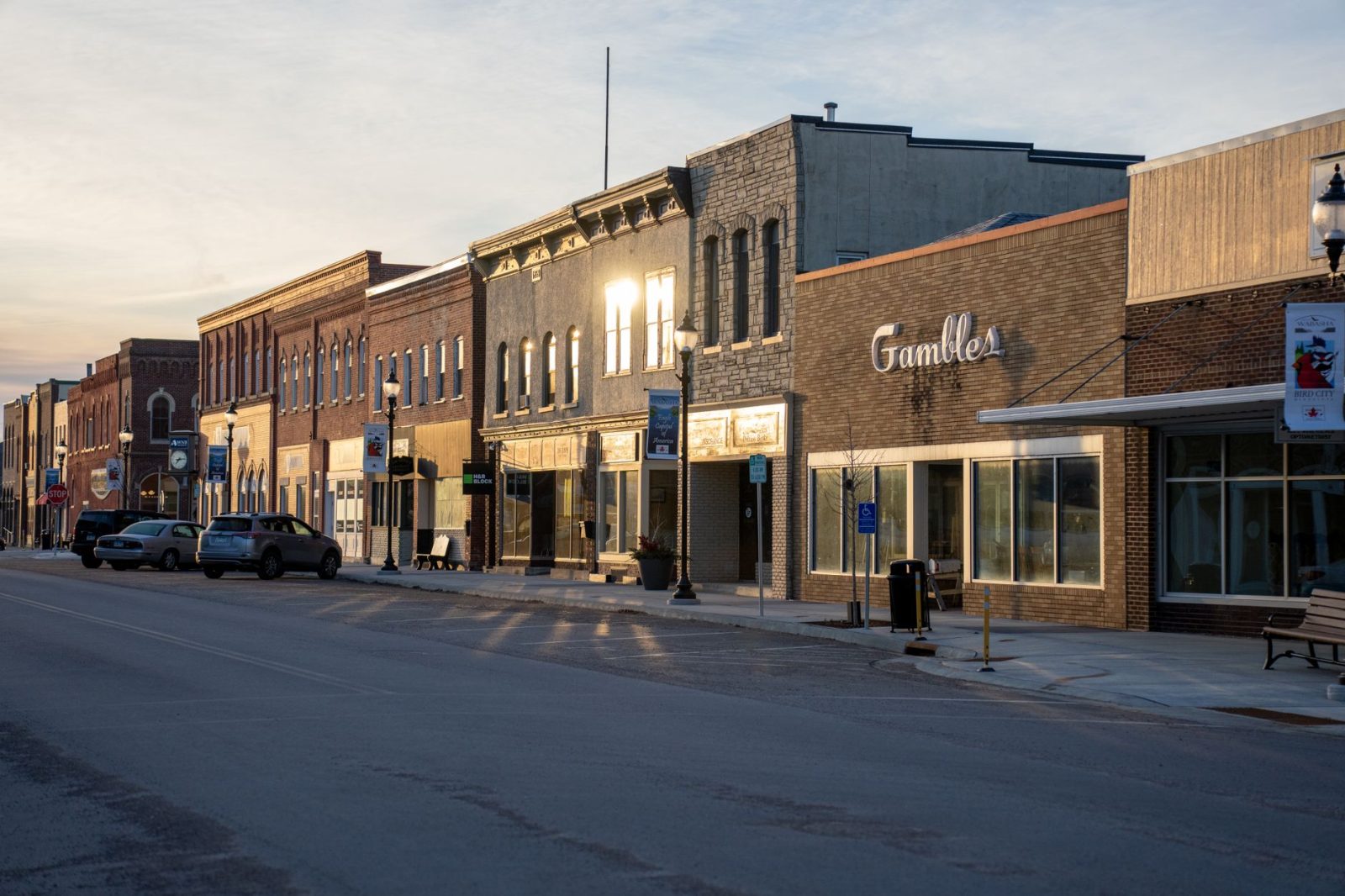
Ask most people to picture a millionaire and they’ll conjure a hoodie-wearing tech founder or a hedge-fund name on a skyscraper. But a growing body of reporting suggests the real engine of American prosperity looks far more ordinary: the person who owns the local car wash, the plumbing contractor, the family bakery on a revitalized Main Street. Collectively, these owners hold a staggering share of the nation’s wealth — and their combined net worth, according to recent reporting, vastly outsizes the celebrity fortunes that dominate magazine covers.
It’s a quieter, more grounded story of success than the ones we’re usually sold. And right now, a cluster of news — from state awards ceremonies to governors’ proclamations to fresh academic research — is pointing to the same conclusion: the small, unglamorous business is where a lot of America’s economic strength actually lives.
The “Everywhere Millionaires”
The phrase comes from recent coverage by Marketplace, which reported that the wealth accumulated by successful small-business owners across the country dwarfs that of the Forbes 400. These aren’t the people who go viral. They’re scattered in every state and nearly every county — “everywhere,” as the framing goes — and they tend to have built their money slowly, through businesses that solve everyday problems for the communities around them.
What’s striking about this picture is how little it resembles the mythology of entrepreneurship. There’s no single dramatic breakthrough, no overnight valuation. Instead there’s the steady compounding of a business that works: a service people need, run competently for years, often passed between generations or sold when the owner retires. It’s the kind of success that rarely makes the news precisely because it happens gradually and in places the national spotlight tends to skip.
That theme of patient, unshowy grit is one we’ve explored before in our own look at the quiet grit behind small shops — the owners who measure progress not in funding rounds but in decades.
Main Street, measured and celebrated
The idea that small businesses are economic anchors isn’t just sentiment. It’s increasingly being tracked, funded, and formally recognized. Across the country, Main Street revitalization programs are putting real money and structure behind downtown businesses, and the results are being publicly celebrated.
In Wisconsin, the state’s economic development corporation marked its 35th annual Main Street awards ceremony, honoring success stories from downtown districts — a program with enough longevity to have watched communities transform over decades. In Pennsylvania, Governor Josh Shapiro’s administration has announced waves of “Main Street Matters” investments, including, as reported, more than $17 million directed to dozens of projects aimed at strengthening small businesses and revitalizing communities.
Other states are moving in the same direction. In Indiana, Governor Mike Braun has publicly recognized what local outlets described as a booming Main Street economy and pointed entrepreneurs toward available resources. Tennessee’s Sweetwater has its own Main Street Entrepreneur Grant. In Washington State, the Main Street program has been credited with elevating the fortunes of downtown Camas. The common thread is a recognition that a vibrant local business district doesn’t happen by accident — it’s cultivated.
Does it actually work?
The enthusiasm from governors and award ceremonies invites a fair question: do these programs genuinely move the needle, or are they feel-good ribbon-cuttings? New research is beginning to supply evidence. As reported by the Journalist’s Resource, recent studies have examined how Main Street revitalization programs affect job and business growth specifically in rural communities — the places where a single new storefront or a saved anchor business can have an outsized effect on the local economy.
There are also case studies that put faces to the numbers. The University of North Dakota highlighted the story of a bookstore — Main Street Books — as a small-business success worth learning from. And a congressional release spotlighted a family-owned business in Oklahoma that, according to the account, is expanding and helping revitalize a historic community. These are individual snapshots rather than sweeping proof, but stacked alongside the formal programs and the wealth data, they sketch a consistent portrait.
What these builders actually need
If small businesses are this important, the next question is how to help more of them survive and grow. The Brookings Institution has argued that it’s “time to level up” support for America’s small businesses so they can endure tumultuous economic conditions — a signal that even in good times, these enterprises operate with thinner margins and fewer safety nets than their larger counterparts.
The practical ingredients, drawn from the current wave of reporting, tend to cluster around a few themes:
- Access to capital and grants — from state Main Street grant programs to targeted entrepreneur funds that help owners open or expand.
- Place-based investment — money that improves the downtown districts where these businesses live, making foot traffic and viability possible.
- Policy and tax conditions — a factor cited in the Oklahoma expansion story, where tax changes were credited with enabling growth.
- Resilience and the willingness to absorb setbacks — a point raised in the U.S. Chamber of Commerce’s conversation with the CEO of 1-800-GOT-JUNK?, who spoke about the power of embracing business failures rather than being defeated by them.
That last point deserves weight. The through-line in nearly every durable small-business story is not luck but persistence — the capacity to keep going after a bad year, a failed location, or a plan that didn’t pan out.
Rewriting who gets to be the hero
Part of what makes the “everywhere millionaires” framing so resonant is that it quietly corrects a distortion. The business press lavishes attention on a narrow archetype — young, urban, venture-backed — while the broader reality of who builds wealth and jobs is far more diverse in age, geography, and background. We’ve written before about the myth of the young founder and what actually tends to build lasting success: experience, timing, and staying power rather than youth.
None of this means every small business is a hidden fortune in waiting. The sources here describe a landscape of opportunity, not a guarantee; many ventures still fail, and the programs celebrating success stories naturally spotlight the winners. What remains genuinely unconfirmed is how evenly the wealth is distributed among small-business owners, and how durable the current wave of state investment will prove over time.
But the direction of the evidence is hard to ignore. When governors across the political spectrum are touting Main Street, when researchers are quantifying its impact on rural job growth, and when wealth data suggests the quiet owner of an ordinary business may out-earn the names on a rich list — the story practically tells itself. The remarkable, it turns out, has been sitting on Main Street all along.

