
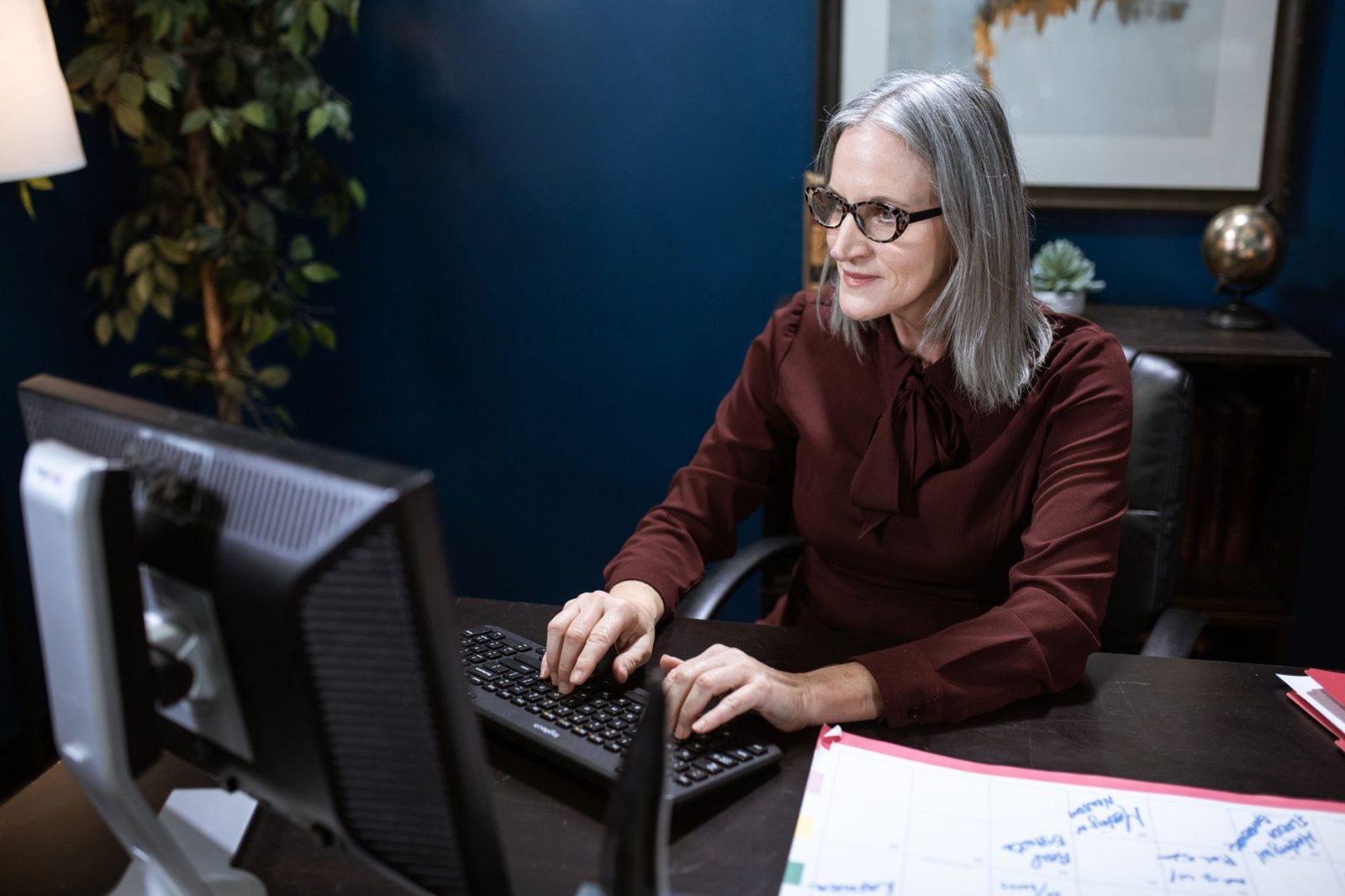
There’s a quiet assumption baked into the culture of entrepreneurship: that the people who build remarkable companies are young, usually in a hurry, and usually just out of a dorm room or a first job. But a growing body of reporting points somewhere else entirely — toward founders with decades of lived experience behind them, and specifically toward women over 50 who are stepping into the builder’s role with a confidence that only time can supply.
According to a recent Forbes feature, women over 50 are increasingly among the most powerful founders in business. It’s a reframing worth sitting with. The people who have been counted out of the startup narrative for years may, it turns out, be exactly the ones best equipped to go the distance.
Experience as a founding advantage
What makes a founder in her fifties or sixties formidable isn’t a secret ingredient. It’s accumulation. Decades inside an industry teach you where the bodies are buried — which suppliers deliver, which customers churn, which problems are worth solving and which only look urgent. A founder who has managed teams, weathered a recession or two, and built a professional network over thirty years arrives at day one of her company with assets a 25-year-old simply cannot fake.
That maturity shows up in the way these businesses are built. Reporting on the broader landscape of women entrepreneurs consistently describes a pragmatic, revenue-first mindset — companies designed to be durable rather than merely fundable. It’s a theme we’ve explored in our own coverage of how more women own businesses than ever before, a shift that is reshaping who gets to call themselves a founder in the first place.
There’s also a practical motivation at play. For many women, the years after 50 bring a particular clarity: children grown, careers plateaued or disrupted, and a sharpened sense of what they actually want to spend their remaining working years doing. Entrepreneurship, for this group, is less a gamble and more a deliberate second act.
Different paths to ownership
One of the more intriguing threads in recent coverage is that building a company from scratch isn’t the only route — and sometimes isn’t the smartest one. A separate Forbes piece argued that for women entrepreneurs, buying an existing business can beat building one, inheriting established cash flow, customers, and operations rather than starting at zero.
That idea pairs naturally with the strengths of an older founder. Acquiring and running a business that already works rewards exactly the judgment, capital access, and management experience that come with age. It’s a reminder that the entrepreneurial journey has more on-ramps than the mythology suggests. The paths now include:
- Building a new company around a long-held idea or unmet need
- Acquiring an existing small business and scaling or steadying it
- Turning a side skill, hobby, or professional expertise into a standalone venture
- Launching a social enterprise that blends profit with measurable impact
That last category deserves attention too. The rise of mission-driven companies — a trend we’ve followed in our look at social entrepreneurs building impact at scale — overlaps meaningfully with experienced founders who want their final chapter of work to mean something beyond the balance sheet.
The money question hasn’t gone away
None of this erases the structural hurdles women founders still face. The funding gap remains one of the most stubborn facts in business, with women-led companies historically securing a disproportionately small share of investment capital. It’s a problem acknowledged across the sources in this cluster, from financial institutions to development organizations, and it doesn’t vanish just because a founder brings decades of experience to the table.
What’s changing is the scaffolding being built around the problem. There is a growing ecosystem of grants, programs, and financing options aimed specifically at women. Resources now exist cataloguing small business grants for women and broader free grants and programs that founders can tap without giving up equity. These aren’t a cure for the funding gap, but they chip away at it.
Philanthropy is shifting too. According to Forbes, women are actively rewriting philanthropy for female entrepreneurship — directing capital and attention toward other women builders in ways that look different from traditional giving. When founders who have succeeded turn around to fund the next cohort, the effect compounds.
A support system catching up
Beyond money, mentorship and institutional backing are expanding. UN Women has been building a mentor network to support women entrepreneurs across Europe and Central Asia, pairing newer founders with people who have already walked the road. In the United States, universities are launching dedicated programs — one recent example being a “Launch Lab” at Canisius University designed to help women turn ideas into real ventures, as reported by WKBW. And in New York, the city’s economic development arm has rolled out a Women.NYC initiative to help women scale their businesses, pointing to women as a driving force behind post-pandemic labor force gains.
The effect of all this is cumulative. A founder today — whether she’s 28 or 58 — steps into an environment with more mentors, more tailored financing, and more peer examples than existed even a few years ago. That matters most for the people the old system served worst. As we’ve written before, women founders need more than a grant to go the distance; they need the full apparatus of mentorship, networks, and durable support. That apparatus is finally taking shape.
What the numbers don’t capture
It’s worth being careful here. The sources in this cluster are largely trend pieces, resource guides, and institutional announcements rather than deep profiles of any single person, so the specifics of individual journeys remain to be told. The broad direction, though, is hard to miss across more than a dozen outlets writing about women in business right now.
The most compelling part of this story isn’t statistical. It’s the reframing of who gets to begin. For decades, the message to a woman in her fifties considering a leap was, implicitly, that her moment had passed. The emerging evidence says the opposite — that experience, patience, and a hard-won read on the world may be the most underrated startup assets of all. If the reporting is right, some of the most remarkable companies being built today are being built by people the old playbook forgot to count. And that is a story worth watching unfold.
Photo by RDNE Stock project on Pexels

