
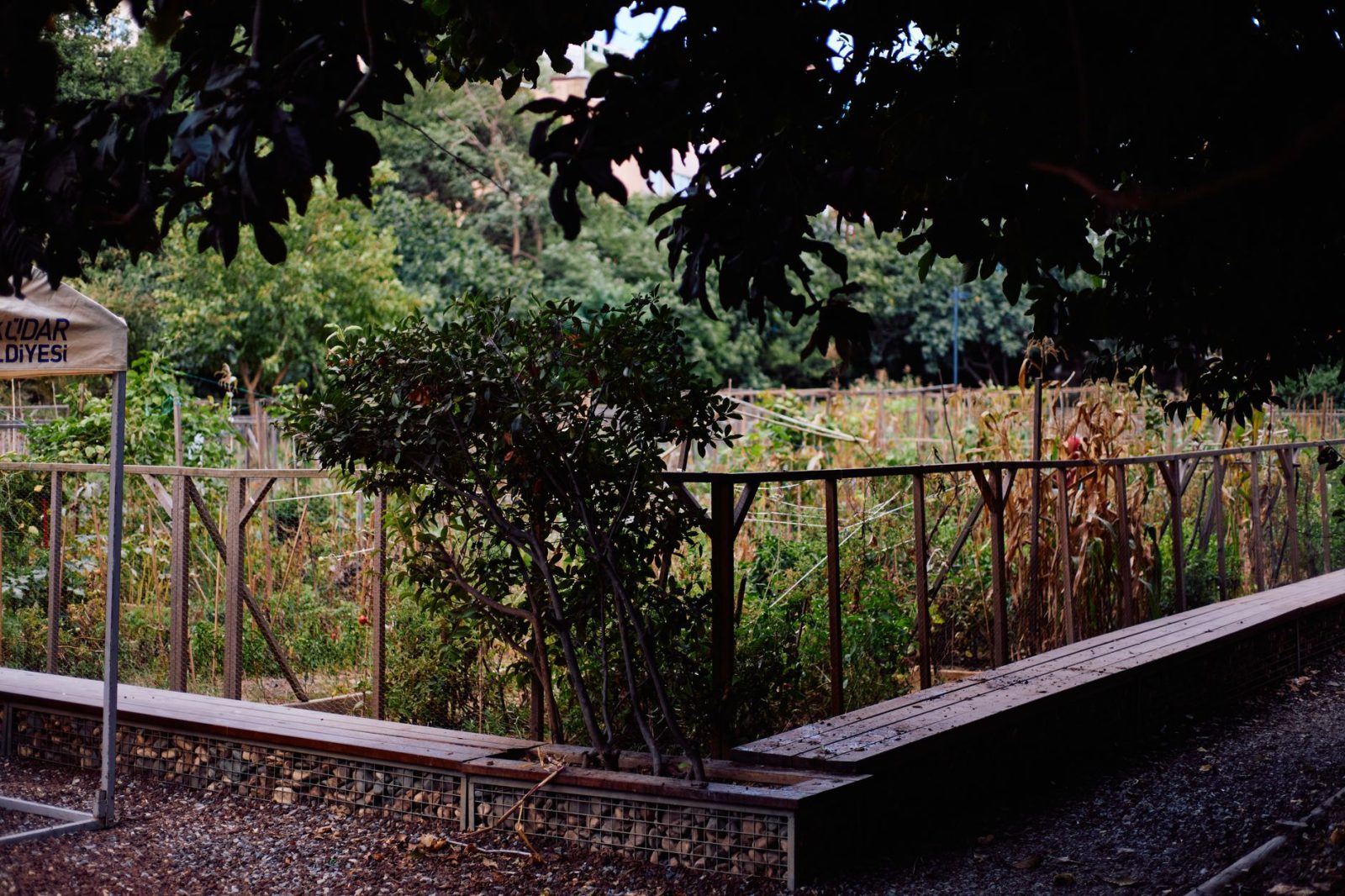
Some of the most durable social enterprises don’t begin with a boardroom or a grant cycle. They begin with a neglected patch of ground and someone stubborn enough to believe it can become something else. That’s the story at the heart of Harlem Grown, the New York nonprofit whose founder and chief executive recently stepped into an unlikely spotlight — a meeting with King Charles — to talk about what happens when a community decides to grow its own food, and its own future.
According to Spectrum News NY1, the Harlem Grown founder and CEO spoke about the impact of that royal meeting, a moment that placed a homegrown, grassroots effort on a far bigger stage than most urban-farming projects ever reach. The details of the encounter remain lightly reported, but the symbolism is hard to miss: a project rooted in one New York neighborhood drawing the attention of one of the world’s most recognizable advocates for sustainable agriculture.
From Vacant Lot to Living Classroom
Harlem Grown’s mission, as the organization has long described it, centers on a simple but ambitious idea — that children in an urban neighborhood should have hands-on access to fresh food, green space, and the knowledge of how things grow. Over the years the nonprofit has become known for transforming unused and abandoned lots into urban farms and gardens, spaces where young people learn to plant, tend, and harvest.
The appeal of that model is that it solves several problems at once. A vacant lot is a liability — a magnet for blight. A working farm on that same lot becomes an asset: a source of produce, a place for kids after school, and a visible sign that a community is investing in itself. That multiplying effect is exactly what tends to draw outside attention, and it’s a reminder of how far a focused, local idea can travel when it genuinely works.
Why a King Was Paying Attention
King Charles has spent decades championing organic farming, environmental stewardship, and the idea that how we grow food matters as much as how much we grow. A meeting between that long-standing interest and a Harlem-based youth farming nonprofit is less surprising than it first appears. For a grassroots founder, though, the experience of discussing years of patient, unglamorous work with a figure of that stature is the kind of validation that most community builders never get.
What the reporting makes clear is that the founder framed the meeting in terms of impact — not personal celebrity, but what the moment could mean for the mission. That instinct, to turn a spotlight back toward the work, is a recurring trait among the builders profiled across this field. It’s the difference between a founder who wants to be seen and one who wants the cause to be seen.
Part of a Broader Moment for Nonprofit Builders
Harlem Grown’s moment arrives amid a wave of attention to the people behind mission-driven organizations. Outlets and institutions have been spotlighting nonprofit founders with renewed energy: Causeartist has compiled lists of nonprofit founders making a global impact, while Forbes has published its 2026 “50 Over 50: Impact” list celebrating people creating change later in their careers. Regional recognition is flowering too — the Sarasota Herald-Tribune recently highlighted local leaders named to an “IMPACT 50” list.
The themes recur across these stories:
- A founder who started small, often in response to a problem they could see with their own eyes.
- A model that treats people not as passive recipients but as participants — kids who farm, neighbors who volunteer, communities that build.
- A long runway, measured in years rather than news cycles, before recognition arrives.
That pattern shows up far beyond the headlines. A younger generation of charity founders is rethinking how causes get funded, with one 30-year-old founder arguing to Yahoo Finance UK that peers should treat giving like a subscription — a small, steady commitment rather than a one-off gesture. And universities are producing a steady stream of mission-minded builders, including the University of South Florida graduates and nonprofit founders teaming up on a global youth-reporting project. (This site has told part of that story too, in a feature on the USF grads building an “ecosystem of empowerment”.)
The Grit Behind the Green
What’s striking about the Harlem Grown story is how ordinary its building blocks are. There’s no proprietary technology, no viral launch. There’s soil, seeds, kids, and a founder who kept showing up on lots most people had written off. That’s the same unflashy persistence found in the social entrepreneurs this publication has profiled — from a Skid Row advocate who turned beauty into a form of dignity to builders who treated overlooked communities as full of potential rather than need.
It’s worth being careful about what the current reporting does and doesn’t tell us. The specifics of the meeting with King Charles — what was said, what it may lead to, whether it signals new support or partnership — remain thin in the available coverage. What is clear is the shape of the work: an urban farming nonprofit, built in Harlem, that has spent years converting dead space into living classrooms, and whose founder now carries that message onto progressively larger stages.
Why These Stories Matter
The appeal of a founder like this isn’t the royal handshake. It’s the thousands of smaller moments that made the handshake possible — the first lot cleared, the first harvest, the first kid who tasted a vegetable they’d grown themselves. Urban agriculture has long been championed as a tool for food access, education, and neighborhood revival, and Harlem Grown is a concrete, local example of that theory put into practice, one bed of soil at a time.
If the meeting with King Charles does anything, it draws a wider audience toward a quiet truth that community builders already know: real change usually starts far from the headlines, in places everyone else has given up on. The founders who stay the course long enough occasionally get their moment in the spotlight. More often, they’re too busy tending the next lot to notice. On the evidence of the reporting, Harlem Grown’s founder sounds like the kind who’ll be back in the dirt by morning — which is exactly why the work has lasted.
Photo by Eyüpcan Timur on Pexels

