
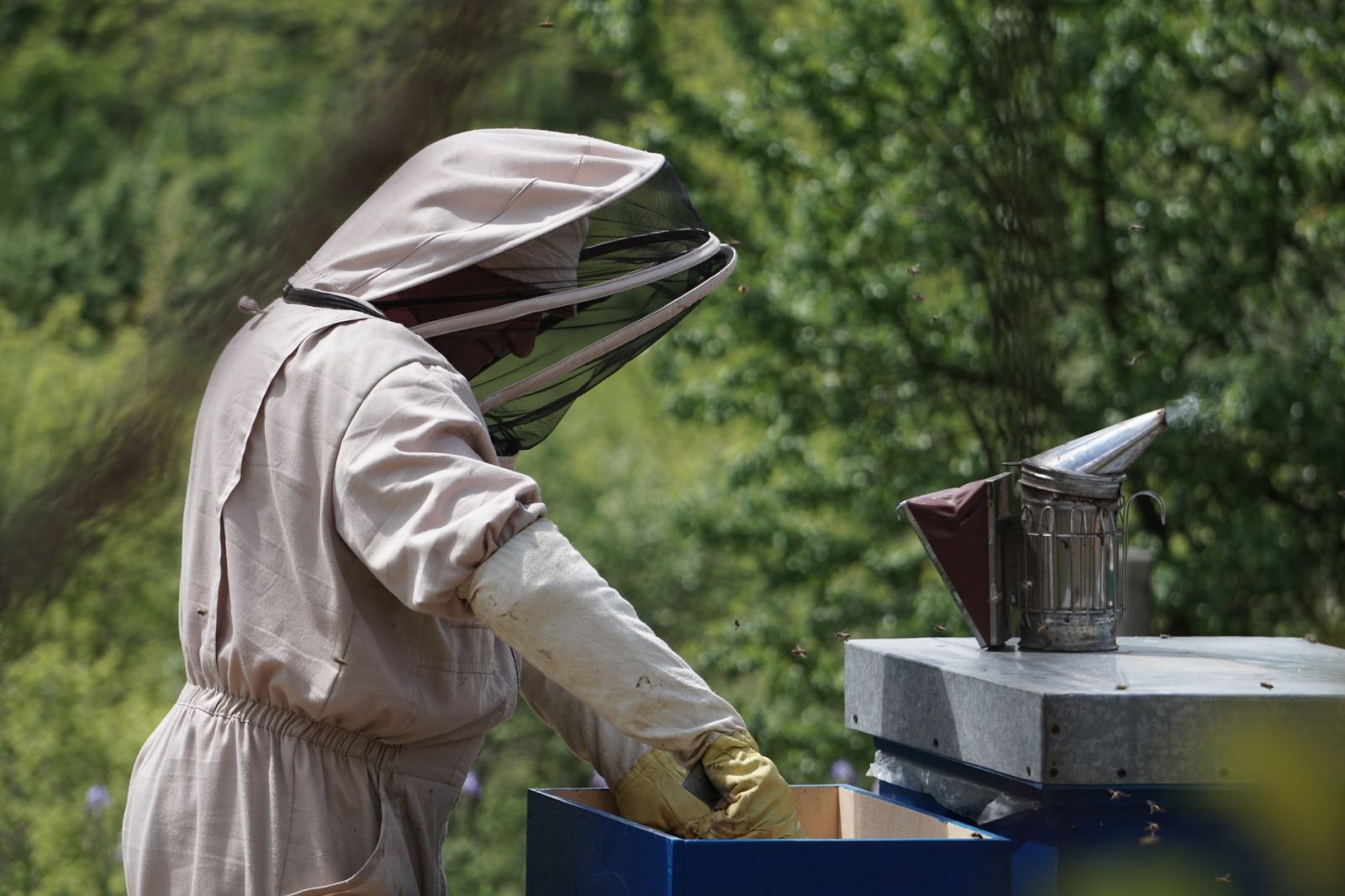
There is a particular kind of business that doesn’t announce itself with a splashy launch or a venture round. It starts quietly — a weekend curiosity, a single hobby that refuses to stay small. According to SouthTexasNews.com, that is exactly how one local couple ended up tending roughly 400 beehives and building a honey business that now sustains them.
It’s a story that lands squarely in a wider moment. Across the country, ordinary people are discovering that the things they do for love on the weekends can, with enough grit, become the things they do for a living. The bees just happen to make this particular version especially vivid.
How a hobby becomes a calling
The arc that outlets have described is a familiar one to anyone who has watched a passion project quietly take over a garage, a spare room, or in this case, a stretch of land. What begins as a handful of hives — a few boxes, a smoker, a beekeeper’s veil — slowly multiplies. One colony becomes several. Several become dozens. And at some point, the reports suggest, the couple crossed the line that separates a hobby from an enterprise: they had more honey than they could ever use themselves, and a growing community of customers who wanted it.
Scaling to around 400 hives, as the coverage indicates, is no small feat. Beekeeping at that level is a genuine agricultural operation. It means managing the health of hundreds of colonies, watching for disease and pests, timing the harvest to the bloom, and handling the physical, often-stung labor of extraction. It is early mornings and heavy lifting and a deep attentiveness to weather and season. The romance of local honey sits on top of a lot of unglamorous, hands-on work.
Part of a bigger trend
The honey couple are far from alone. The same impulse — turning what you love into what you build — is showing up everywhere right now, and it’s worth noting how broad the pattern has become. According to Business Insider, a wave of makers and creatives are leaning into tactile, analog crafts, with demand coming in part from a Gen Z audience hungry for things made by hand rather than churned out by an algorithm.
That appetite for the handmade and the local is precisely the tailwind a small honey operation can ride. Buyers increasingly want to know where their food comes from and who made it. A jar of honey from a couple with 400 hives down the road tells a story that a supermarket shelf cannot.
Other reports in the same vein capture the range of these second acts:
- A Wisconsin couple who turned a retirement hobby crafting pieces from reclaimed wood into a growing business, as the Green Bay Press-Gazette has reported.
- A former bedside nurse who, according to Entrepreneur, built a home-based “micro-factory” from a hobby that now reportedly brings in over $100,000 a year.
- Gaming-store owners who, as the Valley News has covered, parlayed their love of tabletop and card games into brick-and-mortar shops serving local hobbyist communities.
Each is different in its details, but the shape is the same: a thing done for joy, nurtured patiently until it could stand on its own as a livelihood. If that pattern interests you, it echoes stories we’ve told before — like the nurse who built a six-figure business from her kitchen table and the woman who fixed cars on the side until it became a million-dollar shop.
Why the honey story resonates
What makes the beekeeping couple’s journey especially appealing is its sheer tangibility. There is nothing abstract about 400 hives. You can picture the rows of boxes, hear the hum, taste the result. It is a business you can hold in your hand and spread on your toast.
It also speaks to a quieter truth about how durable small businesses often get built: not by chasing a trend, but by following a genuine interest far enough that it becomes expertise. By the time the couple had hundreds of colonies, the reports suggest, they weren’t dabbling anymore — they were beekeepers, with the hard-won knowledge that only comes from years of tending living things that don’t care about your business plan.
That slow accumulation of skill is the engine behind so many of these hobby-to-business stories. The hobby isn’t a shortcut to profit; it’s the training ground. The love comes first, the competence second, and the income — if it comes at all — third.
The honest caveats
It’s worth being careful about what the available material does and doesn’t confirm. The reporting establishes the broad strokes: a local couple, a start as hobbyists, growth to roughly 400 hives, and a business they now describe as thriving. Specific figures on revenue, the exact timeline, and the finer points of how they distribute and sell their honey are not spelled out in the material at hand, and it would be a disservice to invent them.
Not every hobby should become a business, either — a point worth keeping in view amid all the success stories. As Forbes has noted, it’s wise to ask hard questions before turning something you love into something you depend on. The moment a passion has to pay the bills, it changes. The pressure that comes with needing the bees to produce, or the woodwork to sell, can drain the very joy that started it all. Some people thrive on that transition. Others find they’d rather keep their hobby a hobby.
For this couple, though, the leap appears to have paid off. They found the rare sweet spot where the thing they enjoyed and the thing the market wanted turned out to be one and the same.
The quiet lesson
Strip away the specifics and what’s left is an encouraging template for anyone with a passion and a little patience. Start small. Learn by doing. Let the work teach you. Pay attention to the people who want what you make. And don’t be surprised if, years in, you look up and realize the hobby has quietly become the whole life.
From a few curious boxes in the backyard to 400 humming hives, this couple’s story is a reminder that remarkable businesses don’t always start with a grand ambition. Sometimes they start with a question as simple as: I wonder if I could keep bees?
Photo by Dmytro Glazunov on Pexels

