
In today’s digital landscape, a business’s reputation can significantly influence its success. Before purchasing a product, booking a service, or contacting a company, many consumers search online to learn what other customers have experienced. Reviews, ratings, social media comments, and search engine results all contribute to how potential customers perceive a brand.
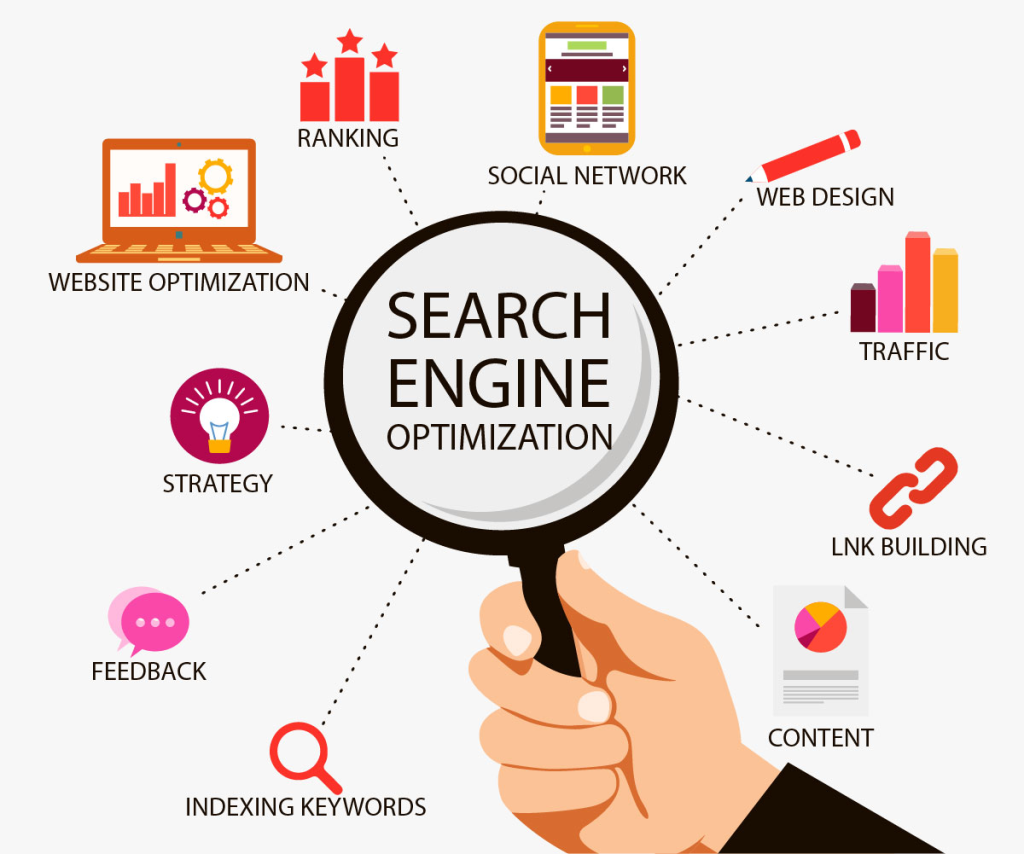
A strong online reputation can help businesses attract new customers, build trust, and stand out from competitors. On the other hand, negative reviews, unanswered complaints, and misleading information can discourage potential customers from choosing a company.
This raises an important question: Is reputation management right for your business? For most companies that depend on customer trust and online visibility, the answer is yes. Understanding how reputation management works and what it can accomplish can help you determine whether investing in this strategy is worthwhile.
What Is Reputation Management?
Reputation management is the process of monitoring, influencing, and improving how people perceive your business online. It involves managing customer feedback, responding to reviews, addressing complaints, and maintaining a positive brand presence across digital platforms.
Businesses commonly use reputation management strategies on platforms such as Google Business Profile, Yelp, Facebook, and industry-specific review websites.
However, reputation management goes beyond collecting positive reviews. It also involves understanding customer concerns, identifying recurring problems, and demonstrating that your company values customer satisfaction.
A proactive approach allows businesses to maintain credibility while building stronger relationships with their audiences.
Why Does Online Reputation Matter?
Your online reputation can directly affect purchasing decisions. Consumers often compare several businesses before deciding which one deserves their attention and money.
Here are some reasons why maintaining a positive online reputation matters.
1. Builds Customer Trust
Trust is one of the most important factors in business success. Customers are more comfortable purchasing from companies with positive feedback, transparent communication, and consistent customer service.
A collection of authentic customer reviews provides social proof that your business delivers on its promises.
2. Influences Purchasing Decisions
Online reviews can influence whether someone chooses your business over a competitor. Even a small difference in ratings or the way companies respond to complaints can affect customer perceptions.
A business that actively addresses customer concerns demonstrates accountability and professionalism.
3. Strengthens Brand Credibility
Consistent positive interactions help establish your company as a reliable provider. When customers see that your business responds professionally to both positive and negative feedback, they may feel more confident engaging with your brand.
4. Supports Online Visibility
Your online presence influences how easily potential customers discover your business. Maintaining accurate business information, generating authentic customer feedback, and developing relevant website content can support broader digital marketing and local SEO efforts.
How Reputation Management Supports SEO
Search engine optimization and reputation management can work together to strengthen your online presence.
Reputation Management plays a key role in helping companies improve visibility, strengthen credibility, and generate sustained organic traffic through smart SEO strategies. Businesses can work with experienced digital marketing providers such as Keever SEO to develop strategies that connect online reputation efforts with broader search engine optimization goals.
Customer reviews can provide useful insights into customer expectations, common questions, and service-related keywords. These insights can help businesses improve website content and better address what their audiences are searching for.
Additionally, maintaining an accurate Google Business Profile and encouraging genuine customer feedback can support local search visibility.
It is important to understand that reviews alone do not guarantee higher search rankings. SEO involves several factors, including website quality, relevance, technical performance, and authority. Reputation management is most effective when integrated into a comprehensive digital marketing strategy.
Signs Your Business Needs Reputation Management
Not every business has a dedicated reputation management strategy. However, certain warning signs suggest that it may be time to invest in one.
Consider reputation management if:
- Your business receives negative reviews without professional responses.
- Your competitors have stronger online ratings.
- Your company has outdated or inaccurate business information online.
- Customers frequently complain about the same issues.
- Your business struggles to generate new customer reviews.
- Negative search results dominate your brand’s online presence.
- You have limited insight into what customers are saying about your services.
Addressing these issues early can help prevent small reputation problems from becoming larger business challenges.
What Does a Reputation Management Strategy Include?
An effective reputation management strategy combines monitoring, communication, and continuous improvement.
Here are some essential components:
Review Monitoring
Regularly monitor customer feedback across Google, social media, and relevant review platforms. This helps you identify concerns and respond before problems escalate.
Professional Review Responses
Respond to positive reviews with appreciation and address negative feedback with patience and professionalism. Avoid arguments or defensive language, and offer appropriate solutions when possible.
Encouraging Authentic Customer Reviews
Ask satisfied customers to share honest feedback about their experiences. Make the process convenient, but never purchase fake reviews or pressure customers into providing positive ratings.
Brand Monitoring
Track online mentions of your business, including discussions on social media, forums, and other websites. Understanding how people talk about your company can reveal opportunities for improvement.
Customer Experience Improvements
Use feedback to identify weaknesses in your products, services, and customer support. Reputation management should not simply improve appearances; it should help create better customer experiences.
Is Reputation Management Worth the Investment?
For businesses that rely on online discovery, customer recommendations, and brand credibility, reputation management can provide meaningful long-term value.
It helps companies understand customer expectations, maintain stronger relationships, and identify problems that may affect future sales.
The investment can be particularly valuable for local service providers, restaurants, healthcare practices, e-commerce businesses, professional services, and companies operating in competitive markets.
However, results depend on consistency. Reputation management is not a one-time activity that guarantees immediate improvements. It requires ongoing monitoring, genuine customer engagement, and a commitment to delivering quality products and services.
Frequently Asked Questions
1. What is the main purpose of reputation management?
The main purpose is to monitor and improve how customers and the public perceive a business online. It involves managing reviews, addressing complaints, and building brand credibility.
2. Is reputation management important for small businesses?
Yes. Small businesses often depend heavily on local customers and recommendations. Positive reviews and professional responses can help establish trust and attract new customers.
3. Can reputation management improve SEO rankings?
Reputation management can support SEO efforts by strengthening local business visibility, encouraging customer engagement, and helping businesses maintain accurate online information. However, it does not guarantee improved rankings.
4. How long does reputation management take to show results?
Results vary depending on the business’s existing reputation, customer feedback, competition, and strategy. Some improvements in customer engagement may appear relatively quickly, while rebuilding trust can take several months or longer.
5. Should businesses respond to negative reviews?
Absolutely. Professional responses show that a business takes customer concerns seriously. Acknowledging problems and offering reasonable solutions can help demonstrate accountability.
6. Can a business remove negative reviews?
Businesses generally cannot remove legitimate negative reviews simply because they disagree with them. However, reviews that violate a platform’s policies may be reported for review and potential removal.
Conclusion
Reputation management is an important consideration for businesses that want to establish credibility, attract customers, and maintain a positive online presence. In an increasingly competitive digital marketplace, what people say about your company can influence whether potential customers decide to work with you or choose another provider.
By monitoring customer feedback, responding professionally to reviews, encouraging authentic testimonials, and improving the overall customer experience, businesses can build a stronger and more trustworthy brand.
Ultimately, reputation management is not just about maintaining positive ratings. It is about creating meaningful customer relationships and ensuring that your company’s online image reflects the quality of its products and services. If your business values long-term growth and customer trust, reputation management is certainly worth considering.

