
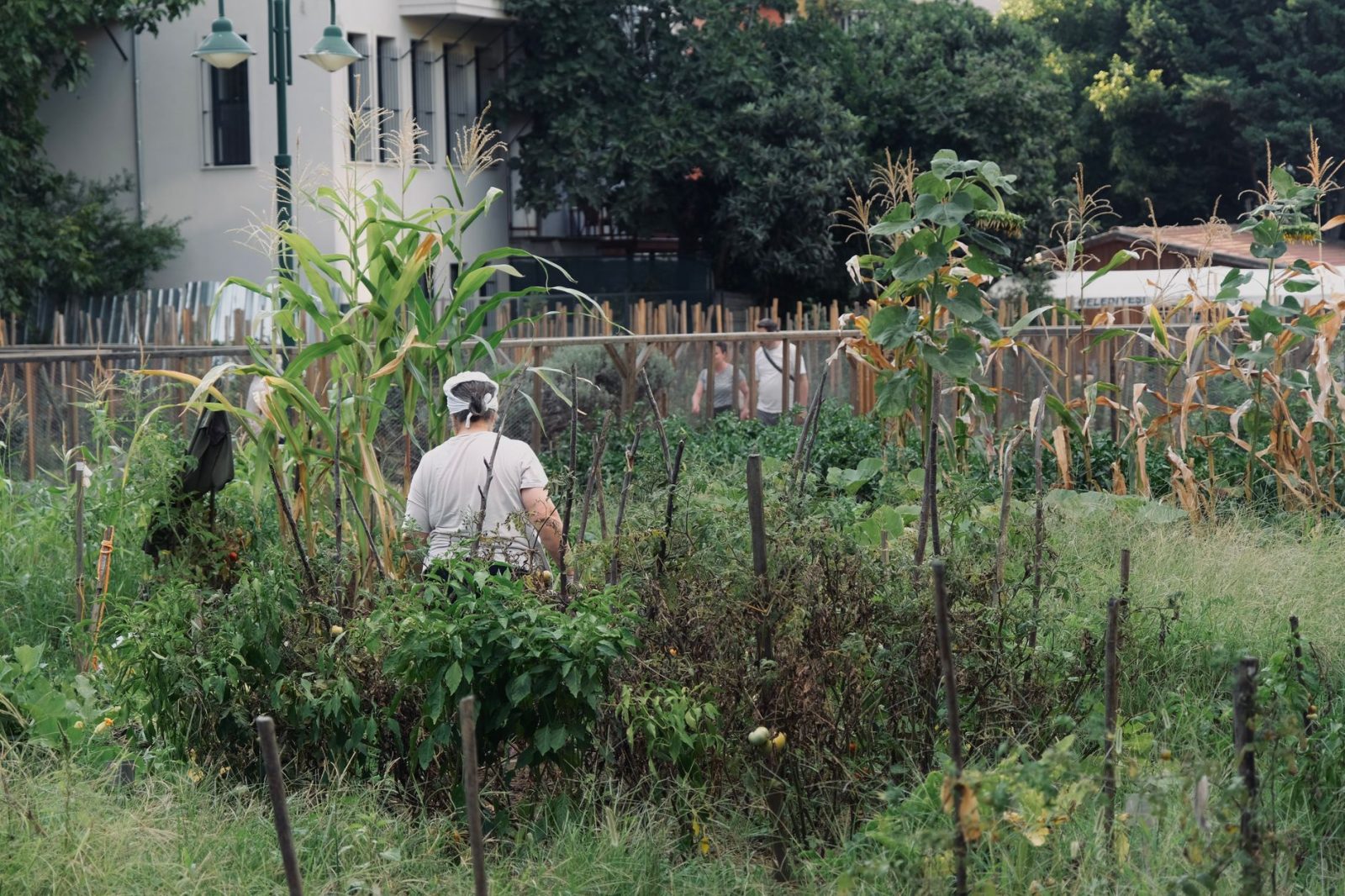
Some of the most durable ideas start small — a single vacant lot, a handful of raised beds, a few neighborhood children curious about where food comes from. According to reports, Harlem Grown, the New York urban-farming nonprofit, grew from exactly that kind of modest beginning into an organization whose founder and CEO recently found himself in conversation with King Charles III about the work.
It is the sort of story that tends to get flattened into a single feel-good headline. The reality — as outlets covering the nonprofit sector have reported this month — is both more inspiring and more precarious. Founders like the one behind Harlem Grown are doing remarkable things even as the ground shifts beneath the entire charitable world.
From vacant lot to urban farm
Harlem Grown’s premise is deceptively simple: take unused or neglected urban space, turn it into productive farmland, and use it to teach children in the surrounding community about healthy food, sustainability, and where their meals actually come from. According to Spectrum News NY1, the organization’s founder and CEO recently spoke publicly about the impact of meeting King Charles — a moment that signals how far a neighborhood-scale idea has traveled.
The deeper significance of a project like Harlem Grown is not the farm itself but what it represents: a direct, tangible answer to problems that can otherwise feel abstract. Food access, childhood nutrition, environmental literacy — these are enormous, policy-sized issues. A working farm run by and for a community makes them something a child can touch, plant, and harvest.
A royal moment, and what it signals
Recognition from a figure like King Charles — long associated with sustainable agriculture and environmental causes — is more than a photo opportunity. For a grassroots founder, that kind of attention can open doors to funding, partnerships, and the credibility that helps a local project scale its influence. The specifics of what was discussed have not been detailed extensively in the available material, and it would be wrong to overstate the encounter. But the symbolism is clear: an idea born in a Harlem lot earned a seat in a global conversation about food and the environment.
That arc — local roots, global reach — is a recurring theme in the nonprofit world right now. It echoes in the work of founders profiled elsewhere this season, including the USF graduates building what has been described as a global “ecosystem of empowerment” through their own cause-driven venture. The through-line is people who refuse to wait for permission to fix what they see broken around them.
Grit meets a harder climate
It would be dishonest to tell these founder stories without acknowledging the headwinds. The same news cycle that celebrates individual impact is full of warnings about the sector’s fragility. As United Way Worldwide has reported, many nonprofits are facing a double crunch — a government shutdown layered on top of already severe funding cuts.
Other outlets reinforce the point from different angles. The Tri-State Defender has noted how decisions made by elected officials ripple directly down to the nonprofits trying to serve their communities. And in the tech-advocacy corner of the sector, WIRED has reported that even well-known organizations are being forced into painful restructuring — one prominent tech nonprofit laying off most of its staff and pivoting to a leaner, “founder-led” model.
Against that backdrop, a thriving neighborhood farm is not just heartwarming — it is a quiet act of resilience. Founders operating at the grassroots level are often the most exposed when funding tightens, because they lack the endowments and reserves that cushion larger institutions.
Why the small-scale founders matter most
There is a reason stories like Harlem Grown’s resonate beyond their zip codes. They demonstrate a model of change that is legible and human. You can see the beds of kale. You can watch a kid who has never tasted a fresh tomato pull one off the vine. That immediacy is something larger, abstract interventions rarely provide.
The broader field is full of founders chasing that same tangibility in their own ways:
- Advocates turning neglected or forgotten spaces into sources of community pride and dignity, a thread this publication has followed in profiles like the Skid Row advocate who made beauty a form of dignity.
- Women-led funds, such as those highlighted by the Rockefeller Foundation, pairing climate solutions with a commitment to equity.
- Journalism nonprofits like ProPublica, which, as Poynter has reported, reshaped how investigative reporting itself is measured and funded.
What unites them is the founder’s stubborn conviction that a specific, visible problem deserves a specific, visible solution.
What remains unconfirmed
In the spirit of being straight with readers: the available material on the Harlem Grown founder’s meeting with King Charles is limited. The precise outcomes of that conversation — any partnership, funding, or program expansion that might follow — are not spelled out in the sources at hand. What is clear is the shape of the story: a nonprofit that began as an effort to reclaim a single plot of Harlem has earned attention at the highest levels, and its leader is using that moment to talk about the work’s impact rather than his own profile.
That restraint is itself telling. The best nonprofit founders tend to treat recognition as fuel for the mission rather than a destination. In a season when the sector is bracing for lean times — shutdowns, cuts, restructurings — their steadiness is worth paying attention to.
The long game
Urban farming will not single-handedly solve food insecurity, and no one serious claims otherwise. But the value of a project like Harlem Grown lies in what it proves is possible. A lot that once collected trash can collect children instead, teaching them that food is something you can grow, understand, and share.
If a founder can build that from the ground up — literally — and carry the idea far enough that it reaches a royal audience, it says something hopeful about the ordinary people quietly reshaping their communities. In a difficult year for the nonprofit world, that may be exactly the kind of story worth telling plainly, and letting the facts do the rest.

