
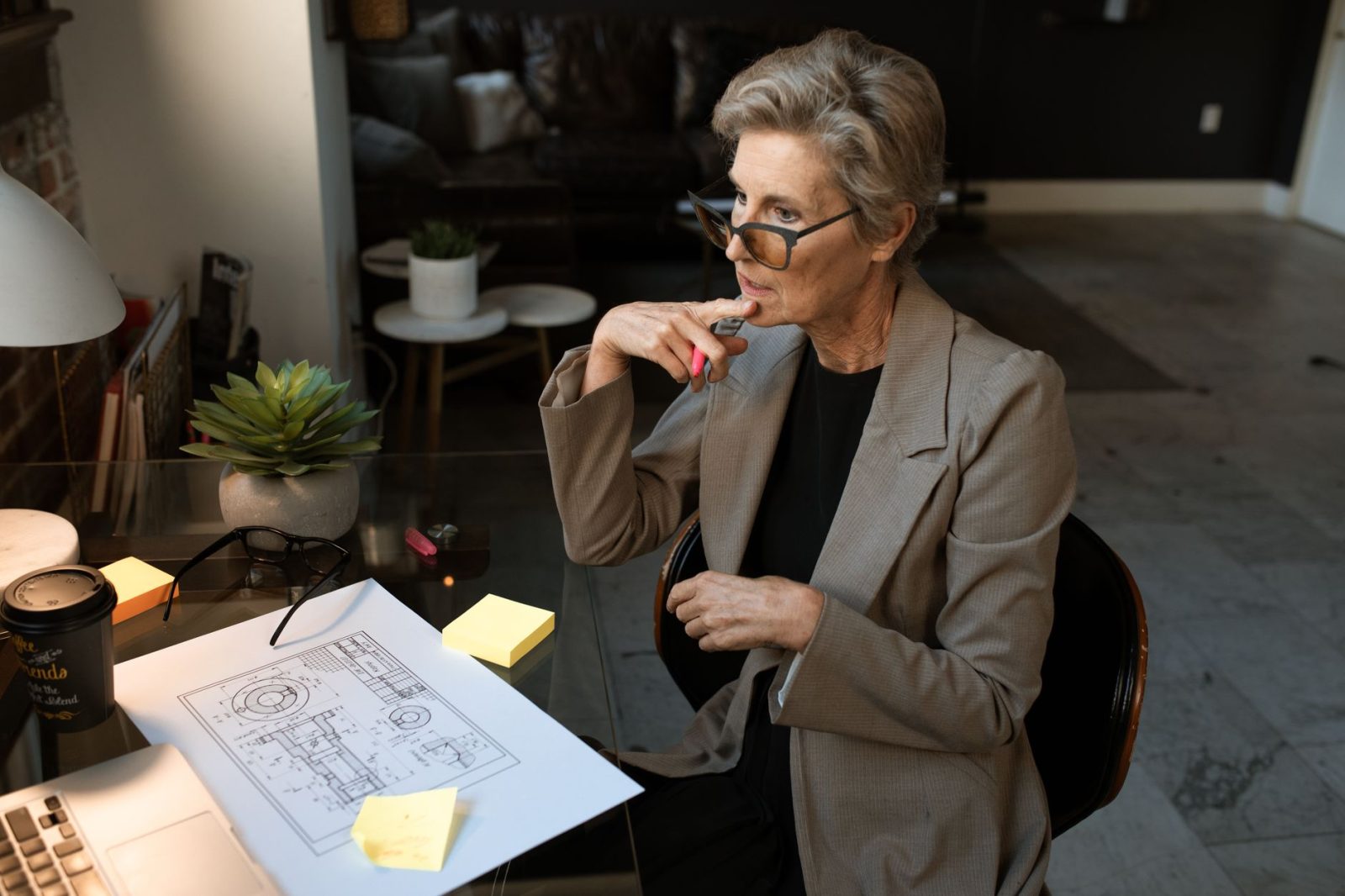
Walk into almost any corner of the economy right now — a framing crew on a commercial build, a skincare startup pitching investors in Mumbai, a bakery on a rural main street — and you are increasingly likely to find a woman who signs the checks. The founding is happening. What comes next, according to a growing chorus of reporting, is the part that matters most: turning a going concern into real, durable wealth.
That distinction — between building a business and building a fortune that outlives the hustle — is the thread running through a cluster of recent coverage. It is also the most honest story to tell about women entrepreneurs in 2026, because it moves past the celebration and into the mechanics of staying power.
The founding wave is real — and it’s everywhere
The sheer geographic and sectoral spread is striking. In the United States, outlets have tied the moment to National Women’s Small Business Month, with local programming such as a Dayton segment spotlighting women-owned small businesses putting ordinary founders in front of a wider audience. In Chattanooga, a gathering billed as Beloved Women Rise was set to bring female entrepreneurs together on October 7 to share the real stories of building their businesses, according to local reporting.
The pattern is not confined to any one place. The Business Journals has profiled women carving out multimillion-dollar portfolios in construction, an industry still dominated by men. In India, The Estée Lauder Companies announced the winners of its BEAUTY&YOU India 2026 program, marking five years of backing Indian beauty entrepreneurs. In Nigeria, the Standard Chartered Foundation’s Women in Tech Accelerator graduated a cohort of eleven women founders, as Techpoint Africa reported. And UN Women has gathered practical lessons from women entrepreneurs across Europe and Central Asia on what it actually takes to start and run a business.
Even the research is leaning in. A West Virginia University study, covered by West Virginia Explorer, found that rural women entrepreneurs are a meaningful engine of economic growth in America’s small towns — a reminder that this story is not just about coastal tech or venture-backed darlings. It is about the dry cleaner, the contractor, the maker, the clinic.
Happier owners, harder questions
One strand of the coverage is simply about satisfaction. Reporting from Bitdefender highlighted survey findings suggesting female entrepreneurs feel happier and more fulfilled owning a small business — the autonomy, the ownership of one’s own time, the sense of building something that is genuinely yours.
That fulfillment is real, and it deserves to be taken seriously rather than dismissed as soft. But it also sits alongside a harder question that Forbes put plainly in a recent piece: women are building businesses, and the next step is building wealth. Those are not the same thing. A profitable business that funds a comfortable life is an achievement. A business that becomes an asset — one that appreciates, that can be borrowed against, sold, or passed on — is a different order of outcome entirely.
The gap between the two is where a lot of founders, women especially, can get stuck. It is the subject this publication has explored in the wealth gap that opens up after a business takes off — the point at which revenue is healthy but the owner has not yet converted momentum into lasting net worth.
Why the wealth step is harder than the launch
Several forces, drawn from the reporting, help explain why the leap from founder to wealth-builder is steeper for women.
- Capital access remains uneven. The proliferation of targeted programs — accelerators, grant schemes, foundation-backed cohorts — is itself evidence that the ordinary channels of finance have not served women founders evenly. Scotland’s Aberdeenshire Council, for instance, opened a Business Gateway grant scheme specifically to help female entrepreneurs, according to the council’s own announcement.
- Industry gatekeeping. The women profiled building construction portfolios are notable precisely because the sector has historically been so male-dominated. Breaking in is one battle; scaling to multimillion-dollar portfolios is another.
- Grants are a start, not a finish. A one-time injection of capital can launch a venture, but it rarely carries a founder through the years of reinvestment, hiring, and risk required to build equity. As this site has argued, women founders need more than a grant to go the distance.
None of this diminishes the achievement of founding. It simply clarifies what the current moment is really about: moving from access to the starting line toward ownership of the finish.
The individual stories still carry it
For all the surveys and studies, the most durable version of this story is still told one founder at a time. LAmag recently profiled Laura M. Mackay on building a business true to her own vision — a reminder that behind the macro trend are specific people making specific, often unglamorous choices about what kind of company they want to run. This publication examined the same subject in a piece on Mackay and the quiet discipline of building true, a counterweight to the idea that growth at any cost is the only measure of success.
Similar portraits appear across the cluster: a woman in the Philippines starting small and building toward a larger dream, as The Manila Times told it; African women entrepreneurs, per The National Law Review, setting their sights on taking wellness businesses global; and community-rooted efforts like the Sistah Soul Brunch & Mixer, which The Sacramento Observer described as a space for empowering Black women in business. Different continents, different industries, the same arc — start where you are, build with what you have, and reach for something bigger than a single storefront.
What to watch next
The celebration phase of women’s entrepreneurship is well underway, and it is earned. The more interesting question — and the one the evidence keeps circling back to — is whether the infrastructure now exists to carry these founders from launch to lasting wealth: patient capital, mentorship that outlasts a demo day, and ownership structures that let a thriving business become a generational asset.
What remains unconfirmed is how many of today’s celebrated founders will cross that line. The accelerators are graduating cohorts; the grant schemes are opening; the surveys show founders are happier. The data on whether all of that translates into closing the wealth gap is still being written. For now, the honest takeaway is this: women have proven, decisively, that they can build the business. The next chapter is about building something that lasts — and that chapter is only just beginning.
Photo by RDNE Stock project on Pexels

