
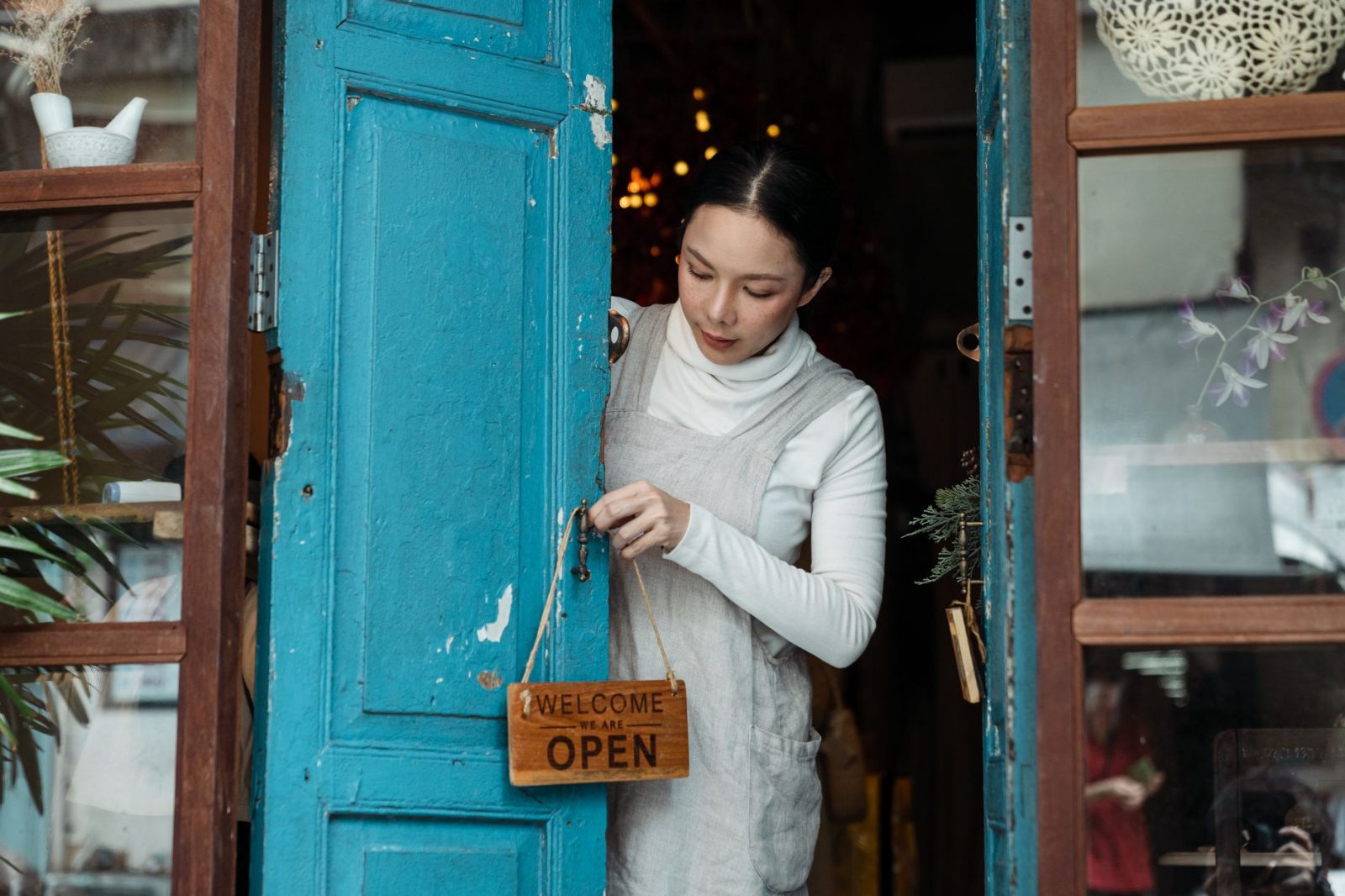
Every downturn produces the same grim statistic and the same quiet miracle. Businesses close by the thousands — and yet, on the same street, a bakery reopens, a café rearranges its tables, a family shop hangs a new sign in the window. The story of small business survival is not a story of luck. It is a story of ordinary people making a series of hard, clear-eyed decisions when the easy choice would have been to walk away.
The recent wave of headlines about small firms weathering hard times — from pandemic recoveries to today’s squeeze of tariffs and rising costs — points to something worth celebrating. Not the crisis itself, but the people who found a way through it.
The math that keeps owners up at night
The pressures are real, and they are stacking up. American business owners are, as NPR has reported, doing “alarming math” as they try to reconcile tariffs with staying open. Half a world away, hospitality operators are facing the same arithmetic from a different direction: the Australian Broadcasting Corporation has documented restaurants and cafés absorbing sharp increases in the cost of food and power, with margins that were already thin now thinner still.
These are the moments that separate businesses that survive from those that don’t — and, importantly, the difference often has less to do with the size of the shock than with how the owner responds to it.
Lessons written during the last great test
The pandemic remains the clearest recent case study in survival, precisely because so many did not make it. The scale of the loss was enormous; industry and press accounts have described more than a million small businesses shuttering during the COVID-19 period. But the businesses that endured left behind a kind of playbook.
Analysis from the JPMorganChase Institute examining small businesses in times of distress drew out lessons from that period — chief among them the outsized importance of cash buffers and the ability to adapt quickly when revenue evaporated. Firms that entered the crisis with even a modest financial cushion, and that were willing to change how they operated, had a meaningfully better shot at making it to the other side.
What that adaptation looked like on the ground was often ingenious. As outlets reported at the time, neighborhood mom-and-pop shops reinvented themselves almost overnight — restaurants that had never done takeout built delivery operations, retailers moved online, and service businesses found entirely new ways to reach customers who could no longer walk through the door. A number of these stories, including coverage of businesses that not only survived but found unexpected success during the pandemic, showed a common thread: the owners stopped defending the old model and started building a new one.
Fix the critical few things first
Survival is rarely about doing everything better. It’s about doing the right few things well. Writing on what it calls “the Pareto trap,” Business Day has argued that businesses must identify and repair the critical 20% of their operations that drive most of their results if they want to survive harsh economic conditions. In practice, that means an owner under pressure has to be honest about which products actually make money, which customers actually pay, and which costs are quietly bleeding the business dry.
The freight sector offers a concrete version of the same idea. In a tough trucking market, a panel of operators told FreightWaves that the businesses most likely to endure are the ones that don’t overlook their own data — that know their numbers well enough to make cold decisions rather than hopeful guesses. It’s not glamorous advice. It is, however, the difference between reacting and merely hoping.
The people behind the storefronts
Strip away the frameworks and what remains is human. The stories that resonate most are the ones about specific people who kept going.
There are the micro and small entrepreneurs profiled in local reporting who described, in their own words, how they survived tough times — often through a combination of belt-tightening, community loyalty, and sheer persistence. There are the woman-owned businesses spotlighted around International Women’s Day and in coverage of firms that weathered trying periods, whose founders held their teams together when the numbers said to give up. These are not billion-dollar turnarounds. They are the more common, and in many ways more instructive, kind: a business that simply refused to disappear.
That quiet endurance is a theme we return to often. It runs through our reporting on the decades-long grit behind small shops on Main Street, and through Anil’s second start, in which something as basic as a bank account became the foundation for rebuilding a life. It’s there, too, in the story of a family’s love of tea that grew, slowly and stubbornly, into a real business. None of these arrived at survival by accident.
Why the hard times matter
There is a temptation to treat survival as a lesser achievement than success. It isn’t. As reporting from Brookings on helping America’s small businesses survive and thrive has emphasized, small firms are not a sideshow to the economy — they are the backbone of communities, employers, and neighborhoods. When one holds on through a brutal year, the win ripples outward: jobs kept, a street kept alive, a family kept whole.
It’s worth noting what remains uncertain. The current mix of tariffs, borrowing costs and rising input prices is still playing out, and it is too early to know how many of today’s struggling firms will make it. The reporting available describes real pressure and real resilience side by side, without a tidy ending.
What the evidence does suggest is consistent across every crisis, sector and country in this cluster of stories. The businesses that survive tend to keep a cushion, watch their numbers honestly, fix the critical few things that matter most, and adapt faster than their fear tells them to. And behind every one of those decisions is a person who decided the shop was worth saving. That decision — repeated on countless streets, in countless downturns — is why, after every wave of closures, the lights keep coming back on.
Photo by Ketut Subiyanto on Pexels

